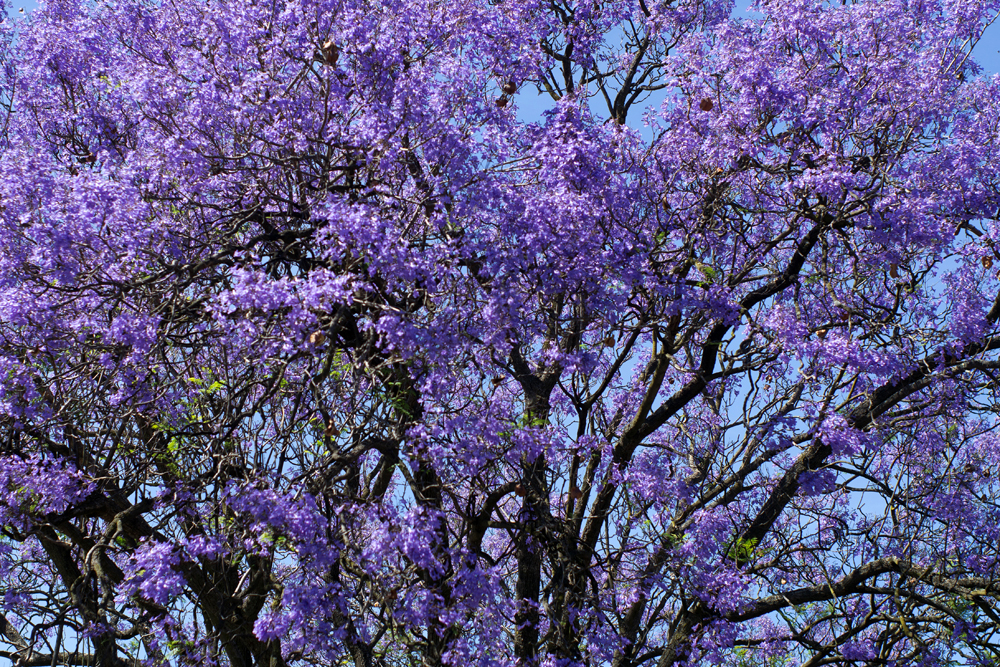
-34.925770
138.599732
Picture the Light


Leonardo Pisano Bigollo (c. 1170 – c.1250) also known as Fibonacci, introduced western society to the concept of a series of number where the next number is the sum of the previous two. For example… 0, 1, 1, 2, 3, 5, 8, 13, 21, 34, 55, 89, 144, 233, 377, …
The longer the sequence the closer the ratio between two numbers reaches 1.618, which is also known as the golden ratio (1.618033…). For example 377 divided by 233 equals 1.618025…
The golden ratio can been seen in all parts of our environment, including the plants and the natural world, architecture, painting, photography, music and industrial design e.g. mobile phones, computer and TV screens, postcards. The golden ratio can also be represented by the numbers we see every day. These numbers can have a personal context, representing times, places, people and events we have encountered. What do these numbers mean to you?


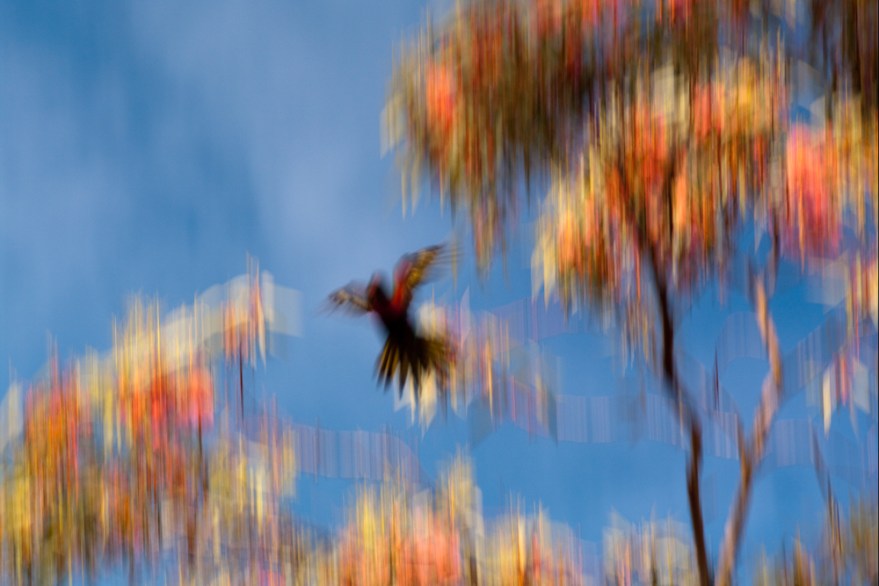
At the moment, Adelaide is abundant with Australian native birds, including the Lorikeet. This was an attempt at panning (photography term) the Lorikeet. It didn’t quite work, but produced an unusual effect. The trees in frame are Callistemon, (Bottlebrush) highlighted by the late afternoon sun.

Some idiot dropped a 20 cent coin onto this alligator at Adelaide Zoo.
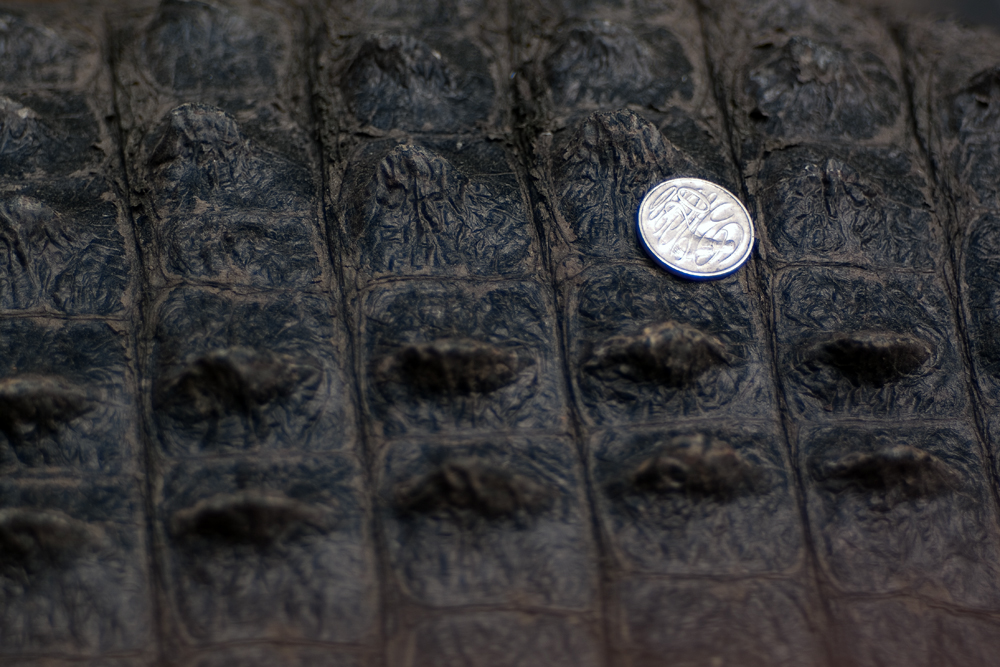
For those of you who are not acquainted with Australian currency, it is a little serendipitous. A Platypus is on one side of the 20 cent coin and creates a unqiue a combination of under water cultures.
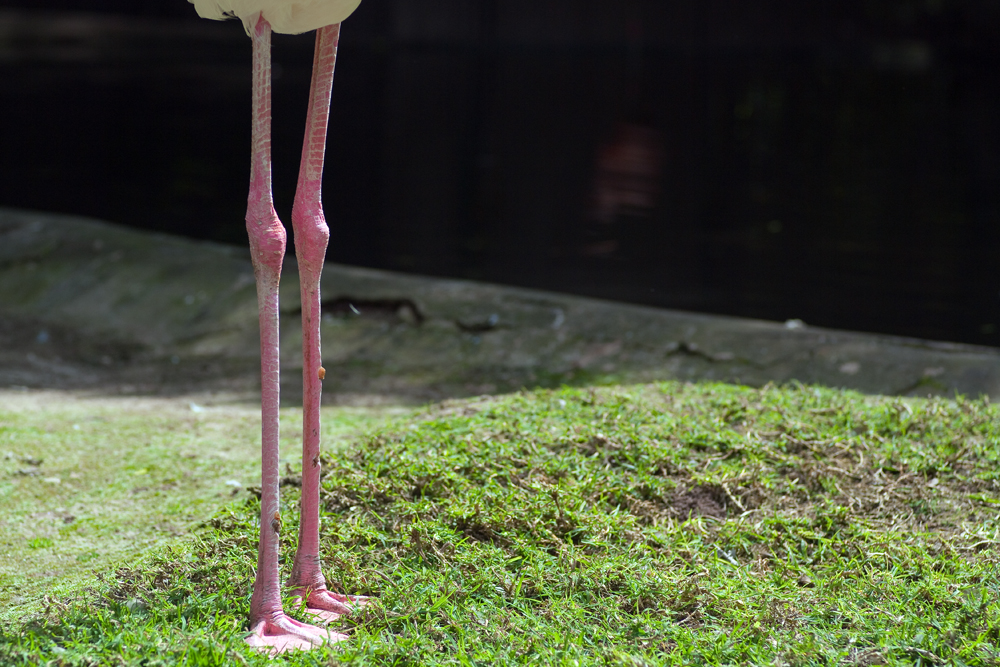
These legs belong to a 77+ year old Greater Flamingo in Adelaide Zoo. This Flamingo is older than either of my parents!
 Reflexio.com